
Vegetables
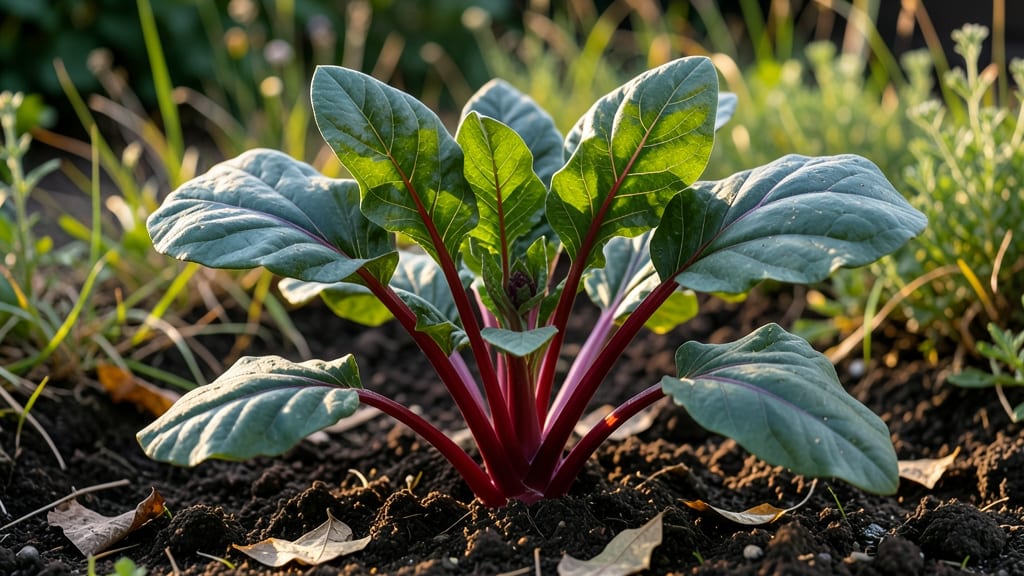
The green leafy vegetable with a red stem is Swiss chard, a nutrient powerhouse rich in vitamins A, C, and K, plus antioxidants like beta-carotene and quercetin. Its earthy, slightly sweet flavor shines in sautés, soups, and salads.
This vibrant vegetable isn't just visually striking—it's a kitchen staple that brings both bold color and deep nutrition to your meals. 🌿 Swiss chard's red stems contain anthocyanins, the same antioxidants that give red cabbage its color, while the leaves deliver a concentrated dose of iron and magnesium.
I love using it in place of spinach because it holds up better during cooking, maintaining its rich color and texture even after long simmering.
What makes Swiss chard particularly versatile is how its different parts can be used separately—the tender stems can be chopped and cooked like asparagus, while the leaves work perfectly in smoothies or as a base for grain bowls.
The key to getting the most out of it is proper preparation: always remove the thick stems first, as they take longer to cook through.
💡 In This Article
- Swiss Chard’s Nutritional Profile and Health Benefits
- Growing Swiss Chard in Home Gardens
Swiss chard’s nutritional profile and health benefits
Swiss chard stands out among leafy greens because its vibrant red stems and dark green leaves pack a concentrated nutrient punch.
A single 1-cup serving (about 30 grams of raw leaves) delivers 1,941 IU of vitamin A (216% DV), 26 mg of vitamin C (43% DV), and 106 mcg of vitamin K (88% DV).
The stems alone contain nearly 50% of the daily potassium needs, while the leaves provide 4 mg of iron (22% DV) and 151 mg of magnesium (36% DV). This mineral combination makes it particularly effective at supporting cardiovascular health and muscle function.
The deep red stems contain anthocyanins, the same antioxidants found in blueberries and purple sweet potatoes, which help reduce oxidative stress. Meanwhile, the green leaves are rich in lutein and zeaxanthin, compounds that protect eye health by filtering harmful blue light.
What's fascinating is how Swiss chard's nitric oxide content (from nitrates in the leaves) helps lower blood pressure by promoting vasodilation—similar to the effects of beet juice but with a leafy green package. 🌱 Compared to spinach, Swiss chard has 3x more vitamin K and 2x more magnesium, making it a superior choice for bone health and muscle relaxation.
This nutritional powerhouse also shines in its anti-inflammatory properties. The quercetin in Swiss chard works synergistically with vitamin C to neutralize free radicals, while its beta-carotene content converts to vitamin A in the body, supporting immune function.
Studies show regular consumption can help stabilize blood sugar levels, thanks to its low glycemic index (around 15) and high fiber content (1.5 grams per serving). The stems' high potassium-to-sodium ratio makes it particularly beneficial for maintaining electrolyte balance.
For practical application, the best way to preserve these nutrients is through gentle cooking methods. Light sautéing (3-5 minutes at medium heat) retains 90% of vitamin C, while steaming for 5 minutes maximizes vitamin A retention.
Overcooking breaks down heat-sensitive compounds like vitamin C and folate. The stems, being thicker, should be cooked separately for 8-10 minutes to achieve tenderness without becoming mushy.
What most people overlook is how Swiss chard's calcium absorption is enhanced by its high vitamin K content, which works with vitamin D to strengthen bones. This makes it particularly valuable for individuals with lactose intolerance or those looking to reduce dairy intake.
The 1:1 calcium-to-phosphorus ratio in Swiss chard is ideal for bone mineralization, unlike many other greens that have higher phosphorus levels.
To incorporate these benefits into your diet, try adding 1 cup of chopped Swiss chard to your morning smoothie (it blends well with banana and almond milk) or use it as a base for grain bowls with 1/2 cup quinoa and 1 tablespoon tahini dressing.
The combination of nutrients creates a synergistic effect that amplifies the health benefits beyond what you'd get from individual components. 💚