
Pests and Diseases
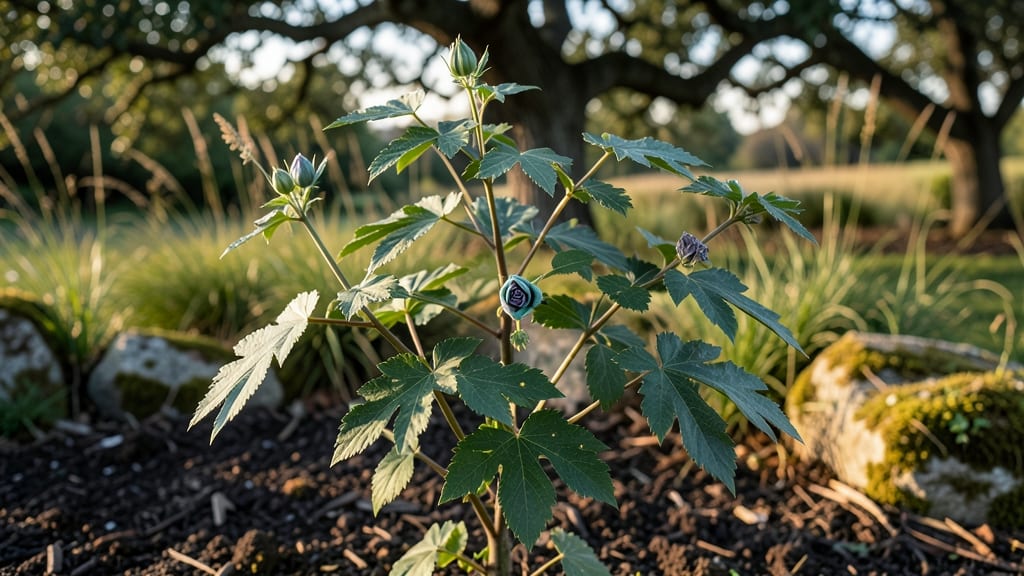
You can identify clematis by leaf—their unique shapes and textures hold the secret to telling them apart from other vines. 🌿 I've spent years untangling clematis from wisteria and honeysuckle, and the leaves are where the real clues hide—from lobed edges to the way they clasp the stem.
Most clematis leaves are compound, meaning they split into 3-7 smaller leaflets arranged like fingers on a hand. The edges range from smooth to slightly serrated, and the texture is soft to the touch—almost papery.
Compare that to wisteria's single, oval leaves or ivy's glossy, heart-shaped ones, and you'll spot clematis instantly.
Once you know what to look for, you'll start noticing the subtle differences between varieties. Jackmanii has broad, glossy leaves, while Montana types often show fuzzy undersides. The way the leaves wrap around the stem (called "petiolate") is another dead giveaway—no other common vine does this quite the same way.
Grab a magnifying glass on a sunny day, and you'll see the distinctive veins that branch like tiny rivers. This isn't just plant nerd talk—it's how you'll confidently ID clematis in your garden or at the nursery, even when the flowers aren't in bloom yet.
Root Causes Of Leaf Confusion
When it comes to identifying clematis by leaf, misidentification often stems from a mix of natural botanical variations and human observation challenges. Understanding these root causes can help gardeners and plant enthusiasts sharpen their skills and avoid costly mistakes.
Let’s break down the key reasons why confusion arises—and how to navigate them.
Clematis plants exhibit staggering genetic diversity, with over 300 species and thousands of cultivars. Each species or hybrid may have subtle yet critical differences in leaf shape, size, texture, or arrangement. For example:
- Clematis montana boasts three-lobed, heart-shaped leaves with serrated edges, while Clematis viticella features simpler, lance-shaped leaves with a more uniform appearance.
- Clematis armandii leaves are leathery and glossy, whereas Clematis recta leaves are delicate and finely divided.
- Hybrids (like the popular Jackmanii group) often blend traits, creating leaves that don’t neatly fit into one category.
Why it happens: Nature doesn’t play by rigid rules—evolution favors adaptability, so leaf structures vary even within the same species due to regional climate, soil conditions, or pollination history. Actionable tip: Cross-reference leaf traits with botanical databases (like the Royal Horticultural Society) and compare multiple samples from the same plant to account for variability.
Clematis leaves aren’t static—they transform dramatically depending on the plant’s growth stage, age, or time of year. Here’s how:
| Stage | Leaf Traits | Why It Confuses |
|---|---|---|
| New Growth (Spring) |
|
Gardeners may mistake spring foliage for a different species entirely. |
| Mature Leaves (Summer) |
|
Seasonal hardening can obscure key identification markers. |
| Old Growth (Fall/Winter) |
|
Deciduous clematis can look unrecognizable by autumn. |
Why it happens: Plants allocate energy differently across seasons—spring leaves prioritize photosynthesis, while mature leaves focus on resilience. Actionable tip: Always examine mature leaves (mid-summer) for the most consistent traits. Snap a photo of the plant in all seasons to build a visual library.
External factors can warp or alter clematis leaves, making identification nearly impossible if you’re not looking for clues. Common culprits include:
🐛 Insect Activity
- Clematis wilt (fungus vectored by beetles): Leaves turn brown and crispy, mimicking drought stress.
- Aphids or spider mites: Cause yellow stippling, curling, or webbing, obscuring natural leaf shape.
- Caterpillars (e.g., clematis leaf miner): Create irregular holes or tunnels, fragmenting the leaf.
🌡️ Environmental Factors
- Overwatering: Leads to yellowing (chlorosis) or drooping, masking true leaf color.
- Underwatering: Causes brown, brittle edges or premature leaf drop.
- Sun scorch: White or gray patches on leaves (common in Clematis texensis).
- Poor soil (e.g., clay or alkaline): Triggers iron deficiency, turning leaves pale or purple-tinged.
Why it happens: Stress signals often override genetic traits, forcing leaves into survival mode. Actionable tip: Inspect the undersides of leaves and stems for pests or discoloration. Isolate stressed plants to observe if traits revert to normal once conditions improve.
Even with a keen eye, perception plays tricks on plant identification. Common pitfalls:
🔍 Lighting And Angle
- Backlit leaves appear lighter and more translucent, exaggerating veins or lobing.
- Side lighting can flatten shadows, making leaves seem smoother than they are.
📏 Size Misjudgment
- Leaves near the base of the vine are often larger than those on new shoots.
- Photographs can distort proportions (e.g., a 3-inch leaf may look 1-inch on a phone screen).
🎨 Color Blindness Or Seasonal Light
- Reddish or purple leaves (e.g., Clematis ‘Niobe’) may appear green or brown under artificial light.
- Overcast days mute colors, making silvery or gray leaves (e.g., Clematis ‘Perle d’Azur’) look dull green.
Why it happens: Our brains fill in gaps—what we expect a clematis leaf to look like can override what we actually see. Actionable tip: Use a ruler or app like PlantNet to measure leaf dimensions and compare against high-resolution reference images under natural light.
Fixing Leaf Issues in Clematis
If your clematis leaves aren’t looking their best—or worse, are showing signs of disease or pest damage—don’t panic! Most leaf problems in clematis are fixable with the right approach.
Below, we’ll break down common issues by their root causes and provide step-by-step solutions to restore your plant’s health. Prevention tips are included to keep your clematis thriving long-term.
Cause: Overwatering, poor drainage, or root rot. How to Fix It:Yellowing or drooping leaves often signal that your clematis roots are struggling. Here’s how to diagnose and treat it:
- 🔥 Check the soil moisture – Stick your finger about 2 inches into the soil. If it’s soggy, your plant is overwatered.
- 🍳 Improve drainage – If your clematis is in a pot, move it to one with drainage holes. For in-ground plants, amend the soil with compost or perlite to loosen it up.
- 👨🍳 Prune affected stems – Cut back any stems with blackened or mushy roots. Sterilize your pruners with rubbing alcohol to prevent spreading disease.
- ⏰ Adjust watering habits – Water deeply but only when the top inch of soil feels dry. Clematis prefers consistent moisture but hates soggy roots.
💡 Pro Tip: If root rot is severe, you may need to repot your clematis into fresh, well-draining soil. For in-ground plants, consider raising the planting bed slightly to improve airflow.
Cause: Pests like slugs, snails, or caterpillars. How to Fix It:Chewed leaves are a clear sign that pests are feasting on your clematis. Here’s how to evict them:
- 🔪 Inspect at dawn or dusk – Slugs and snails are most active during these times. Look under leaves and near the base of the plant.
- 🍳 Set up traps – Place beer traps (a shallow dish filled with beer) or copper barriers around the base to deter slugs.
- 👨🍳 Handpick caterpillars – Check the undersides of leaves for green or brown caterpillars. Drop them into soapy water to eliminate them.
- ✨ Use organic sprays – Apply neem oil or insecticidal soap to affected areas. Repeat every 5–7 days until pests are gone.
💡 Pro Tip: Encourage natural predators like birds and ladybugs by planting companion flowers like marigolds or nasturtiums nearby.
Cause: Powdery mildew, leaf spot, or downy mildew from excess moisture or poor airflow. How to Fix It:Fungal infections can turn clematis leaves unsightly and weaken the plant. Act fast to prevent spread:
- 🌡️ Prune infected foliage immediately – Remove and dispose of any leaves with spots or powdery residue. Avoid composting them.
- 🍳 Improve air circulation – Thin out crowded stems and avoid overwatering. Water at the base rather than overhead.
- 👨🍳 Apply fungicide – Use a copper-based fungicide or a mix of baking soda (1 tsp), water (1 quart), and a drop of dish soap. Spray every 7–10 days.
- ✨ Prevent future outbreaks – Space plants properly and water early in the day so leaves dry quickly.
💡 Pro Tip: Mulch around the base of your clematis with straw or wood chips to reduce soil splashing onto leaves, which spreads fungi.
Cause: Nutrient deficiency, transplant shock, or viral infection. How to Fix It:Stunted or misshapen leaves can indicate underlying stress. Here’s how to address it:
- 📊 Test your soil – Clematis thrives in slightly alkaline soil (pH 6.5–7.5). Use a soil test kit to check levels and amend with lime or sulfur as needed.
- 🍳 Fertilize properly – Feed with a balanced, slow-release fertilizer in early spring. Avoid high-nitrogen fertilizers, which promote leafy growth over flowers.
- 👨🍳 Check for viruses – If leaves are severely distorted, your clematis may have a viral infection (like clematis wilt). Remove infected plants immediately to prevent spread.
- ⏰ Give it time – If the issue started after transplanting, be patient. New growth should normalize within a few weeks.
💡 Pro Tip: If your clematis is in a pot, repot it into fresh, nutrient-rich soil every 2–3 years to prevent deficiencies.
Once you’ve treated the problem, keep these tips in mind to maintain lush, disease-free foliage:
- 🌡️ Water wisely – Deep watering 2–3 times per week (adjust for climate) is better than frequent shallow watering.
- 🍳 Prune regularly – Remove dead or diseased stems in early spring to improve airflow.
- 👨🍳 Monitor for pests – Conduct weekly inspections, especially after rain.
- ✨ Choose the right location – Plant clematis in partial shade (especially in hot climates) to prevent leaf scorch.
With these solutions, your clematis should bounce back with vibrant, healthy leaves in no time! 🌿💚
Frequently asked questions
How do I tell the difference between clematis leaves and wisteria leaves?
Clematis leaves are compound with 3-7 leaflets arranged like fingers, while wisteria leaves are single, oval-shaped with a smooth edge. Clematis leaflets also wrap around the stem (petiolate), a key trait wisteria lacks. Check for these distinctive features to spot the difference instantly.
What’s the best time of year to identify clematis by leaf?
Mid-summer is ideal because leaves are fully mature and show their most consistent traits. New spring growth can be misleadingly large or lobed, while fall leaves may yellow or crisp. Always examine healthy, mature leaves for accurate identification.
Can I identify clematis varieties just by looking at the leaves?
Yes, but with some limitations. Certain groups like Jackmanii have broad, glossy leaves, while Montana types often show fuzzy undersides. However, hybrids may blend traits, so cross-reference with flower color or growth habits when possible. Use a botanical guide for tricky cases.
Why do some clematis leaves look completely different on the same plant?
This happens because clematis leaves change dramatically through the seasons. New growth in spring is often larger and more lobed, while mature summer leaves are smaller and more divided. Always compare multiple leaves from different parts of the plant for accurate identification.
What should I do if my clematis leaves are damaged or diseased?
First, check for pests like aphids or caterpillars on leaf undersides. If fungal issues appear (like powdery mildew), prune affected leaves and improve airflow. For severe problems, use organic sprays like neem oil. Always remove infected plant material promptly to prevent spread.